The Windsled Antarctica 2026–2027 scientific expedition officially begins its journey to the White Continent this Monday, October 26, following a week of equipment preparations in South Africa. Led by polar explorer Ramón Larramendi, the team is about to embark on one of the most innovative research projects of the current Spanish Antarctic research campaign, promoted by the Spanish Ministry of Science, Innovation and Universities.
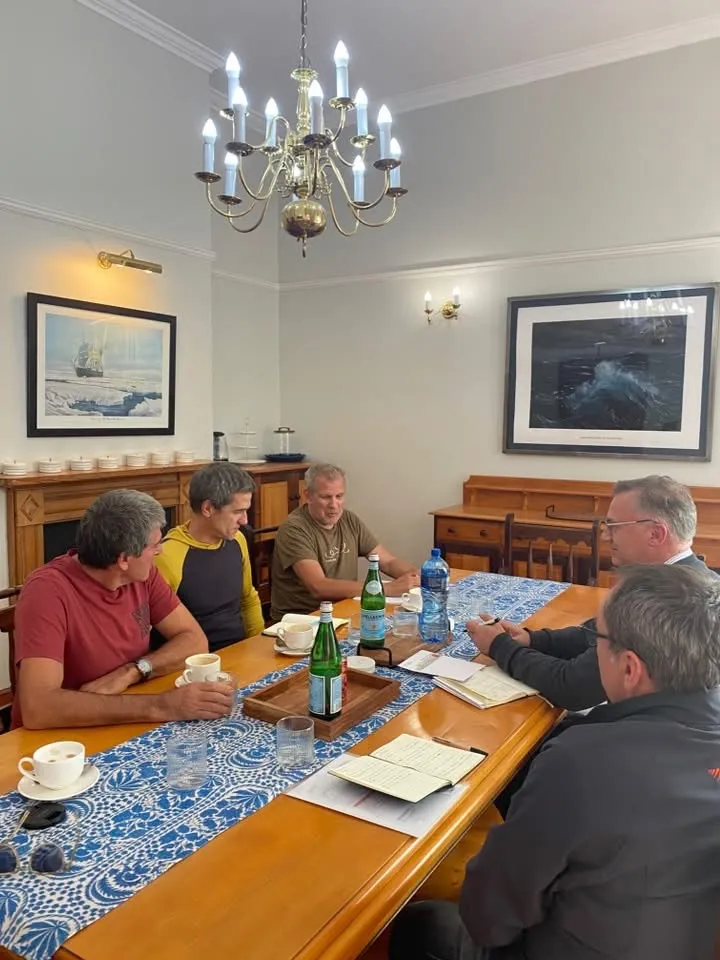
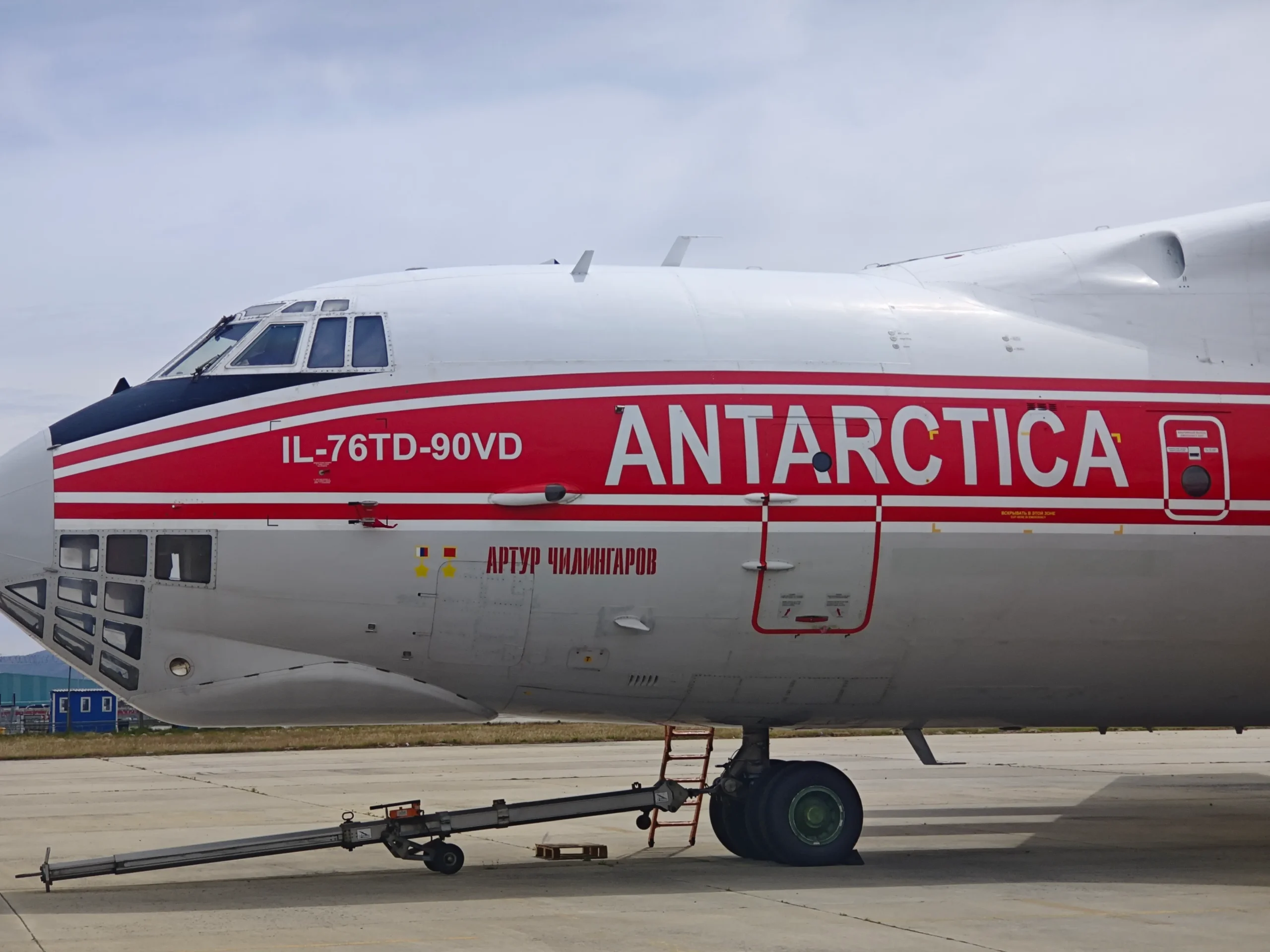
Since leaving Spain and the United States last weekend, the four members of the expedition—Ramón Larramendi, Hilo Moreno, Javier Selva, and Polish scientist Mariusz Potocki, travelling from Maine—have been checking that all the equipment has arrived in perfect condition and making the final purchases before departure. The team is scheduled to leave Cape Town aboard a flight operated by Ultima Antarctic Logistics, the company responsible for supporting the Antarctic bases in this sector of the White Continent, in Queen Maud Land. However, poor weather conditions have forced the flight to be postponed by one day, adding an extra challenge to the expedition.
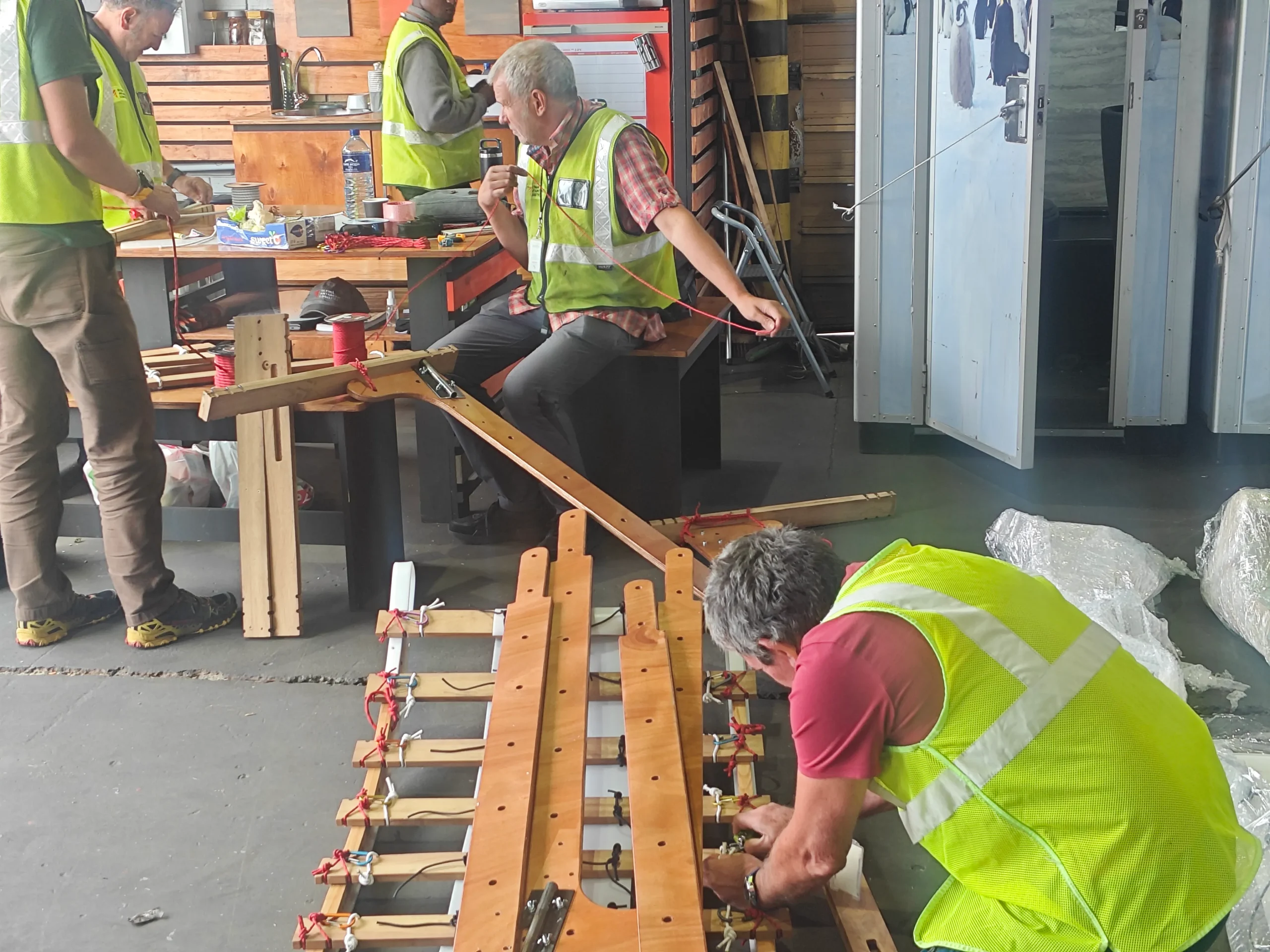
As soon as they arrive at Novolazarevskaya Station, where Ultima Antarctic Logistics operates its runway, the four expedition members must recover the Windsled, which they left there after the 2018–2019 Antarctic Expedition. In 2023, Larramendi travelled to the station to verify that the vehicle remained in good condition, stored inside a sealed container. Their immediate task will be to assemble it in just over a day and a half in order to take advantage of the scheduled departure of a convoy that will transport fuel from the station to an inland Antarctic airstrip, where aircraft land and require fuel supplies delivered overland. Now, because of the delayed flight, the team will have very little time available unless the convoy decides to allow them some additional time.
The Windsled will be attached behind the convoy, which will tow it from an altitude of around 400 metres to approximately 2,800 metres above sea level.
“They will tow us for about 240 kilometres, over the course of four or five days because the convoy travels very slowly. On previous expeditions we flew from the station to the starting point of the traverse, but the aircraft now covered by the insurance is smaller, and we would not be able to fit some parts of the Windsled on board—or, at the very least, it would be extremely complicated. At a certain point, once we reach the planned starting location, we will detach ourselves from the motorised convoy and begin our route under wind power, using our traction kites,” explains Larramendi shortly before departure.
Conceived, designed and continuously refined by Larramendi, the Windsled is the only vehicle in the world capable of travelling across the demanding polar terrain without using fossil fuels, powered entirely by the wind through large traction kites. On board, it carries 16 scientific research projects, which will be carried out over a 3,400-kilometre traverse. The expedition will be the first in the world to cross Antarctica with zero emissions, as it is powered 100% by wind energy, while the scientific equipment operates using electricity generated by photovoltaic solar panels.
Over the past few days, the expedition members have been working intensively at the Ultima Antarctic Logistics warehouse where all the equipment had been stored, checking that everything arrived in good condition. They have also shared images of themselves buying some last-minute supplies, including plenty of chocolate—a food rich in calories, which are essential in the extreme environment they are about to face. Current forecasts indicate that temperatures in the area they will be travelling through this season could fall to –70°C.
“It will take us some time to reach that area, and we hope temperatures will rise by then. Even so, once we get there we expect around –40°C, much colder than during our previous expeditions,” the explorer acknowledges.
“We don’t know what it will be like being towed behind the convoy, but we think those days will actually be a period of rest because there will be nothing for us to do except let ourselves be carried along. But once we reach the Antarctic Plateau, it will be time to work at full capacity. We’ll keep you updated,” he says just a few days before departure. “Despite the difficulties, we’re feeling very optimistic,” he adds.