
Spanish Transantarctic Windsled Expedition
Spain Leads the Largest Zero-Emission Scientific Campaign Ever Conducted in Antarctica Aboard the Windsled
The Windsled Antarctica 2026–2027 Expedition will cover 3,400 km, crossing the continent over 80 days while carrying out 16 scientific projects aboard a unique polar vehicle unlike any other in the world.
This scientific, geographical and human milestone will serve as a key complement to the permanent Antarctic research stations located on two islands, which will soon begin their own research campaigns.
The Windsled Antarctica 2026–2027 Expedition will use the polar vehicle designed by Spanish explorer Ramón Larramendi, founder of Tierras Polares. On board, the expedition team will carry out a total of 16 cutting-edge scientific projects from national and international institutions, which for the first time will collect data across the most unexplored surface on the planet.
The campaign will be the first in history to cross the Antarctic continent with zero emissions, as the vehicle is powered entirely by wind energy, while the scientific projects will be supported by photovoltaic solar panels. The expedition members will depart from Spain on October 18, with their return scheduled for early February.
THE ROUTE
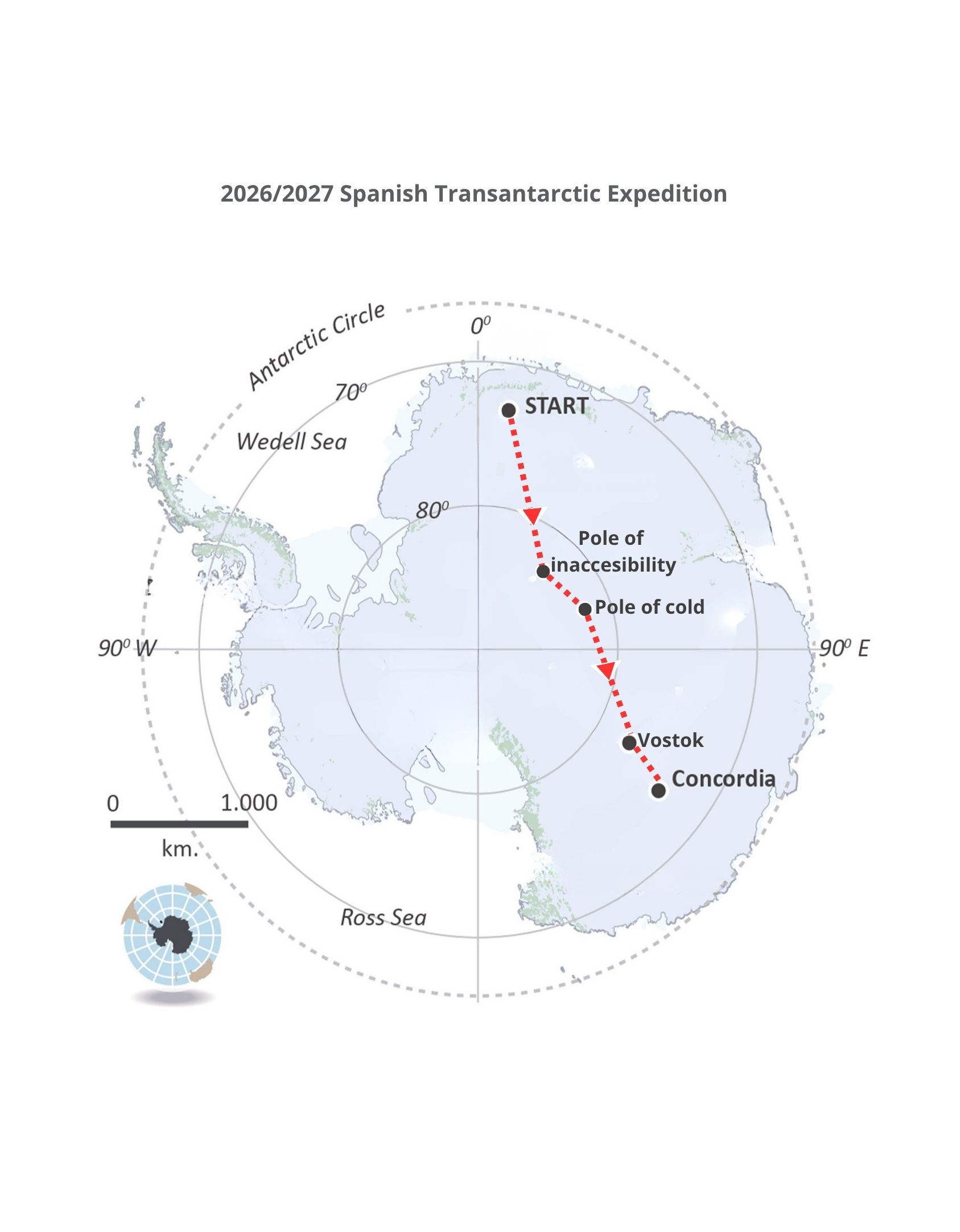
The expedition will cover approximately 3,400 kilometres, from the vicinity of the Russian Novolazarevskaya Station, located in Queen Maud Land, to the Italian Concordia Station, on the Antarctic ice plateau known as Dome C. The 80-day traverse will include five scientific stations—extended stops where the different scientific experiments will be carried out.
The team is expected to pass through the Pole of Inaccessibility, at an altitude of 3,700 metres, considered the most remote, isolated and difficult-to-reach point on the Antarctic continent. They will also travel through the Pole of Cold, at Vostok Station, where the lowest temperature ever recorded on Earth was measured.
Once the expedition reaches Concordia, and thanks to the collaboration of the Italian Antarctic Programme, the team will leave Antarctica by air, while the scientific samples and equipment collected during the expedition will be shipped back to Spain.
THE FOUR EXPEDITION MEMBERS
The four expedition members are Ramón Larramendi, the expedition leader; Hilo Moreno, technician and guide at the Spanish Antarctic stations; Mariusz Potocki, renowned scientist from the University of Maine; and Javier Selva, documentary filmmaker and mountaineer.
Larramendi, who began developing the Windsled—a vehicle unique in the world—at the beginning of this century, has already successfully travelled more than 28,000 kilometres across the ice aboard it in a total of 13 expeditions, including 10,000 kilometres during three Antarctic expeditions. Through his expeditions, both in Antarctica and the Arctic, he has also supported a total of 30 scientific research projects, establishing the Windsled as an ideal scientific platform for exploring the polar ice sheets, including Greenland, with economic efficiency and without leaving an environmental footprint.
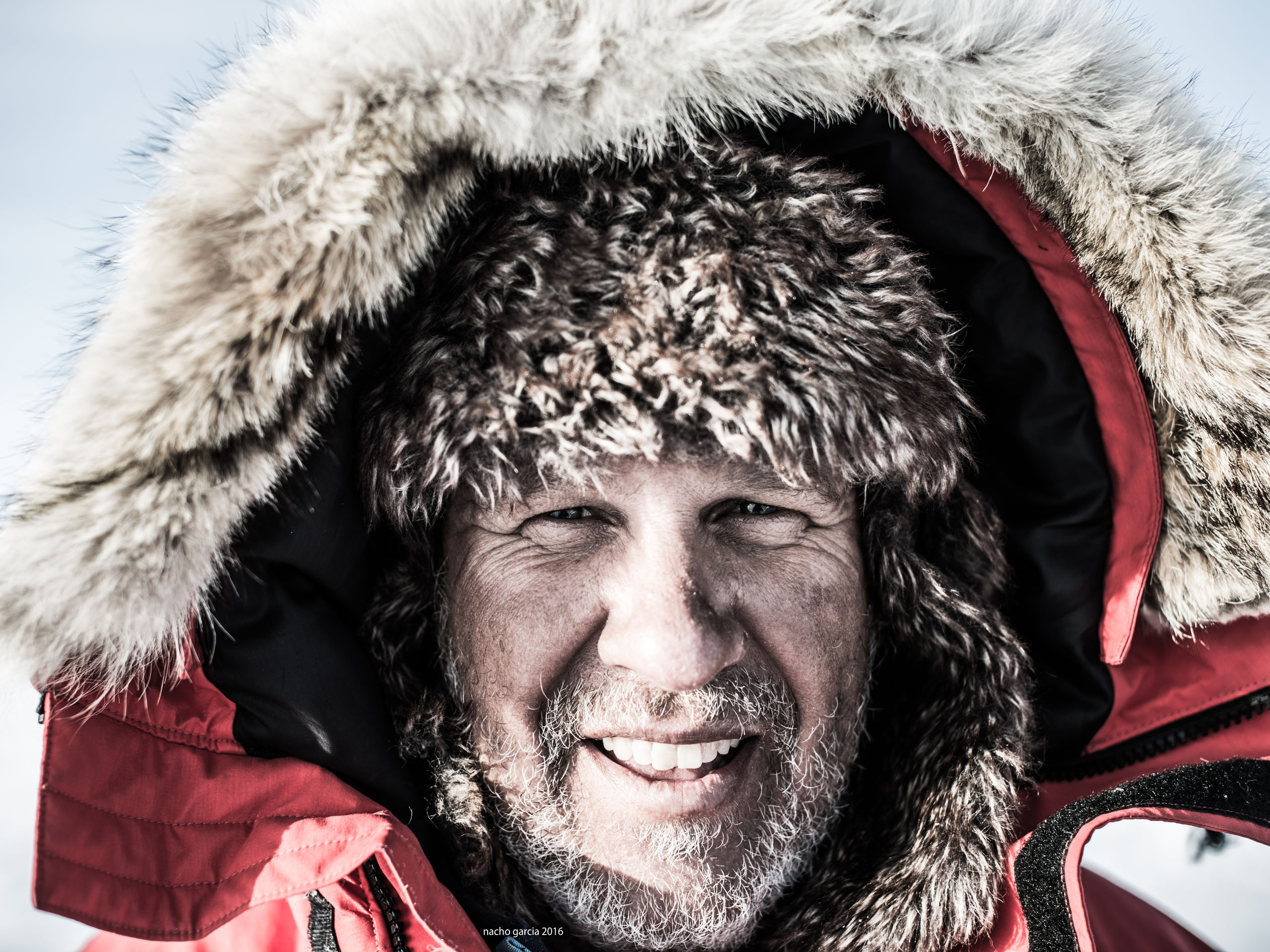
Ramón Larramendi
Project Leader
Ramón Larramendi is the leader of the team participating in this expedition. In addition to being one of the most internationally recognized polar explorers, he is a pioneer of Arctic exploration in Spain. Having traveled more than 40,000 kilometers across the Arctic and Antarctica without the use of motorized transport, he has gained worldwide renown—not only for his expeditions, but also for conceiving, designing, and refining the “WindSled”. With deep ties to Greenland—where he has spent a large part of each year for the past four decades—Larramendi combines his scientific work and environmental outreach with an adventurous, entrepreneurial spirit.
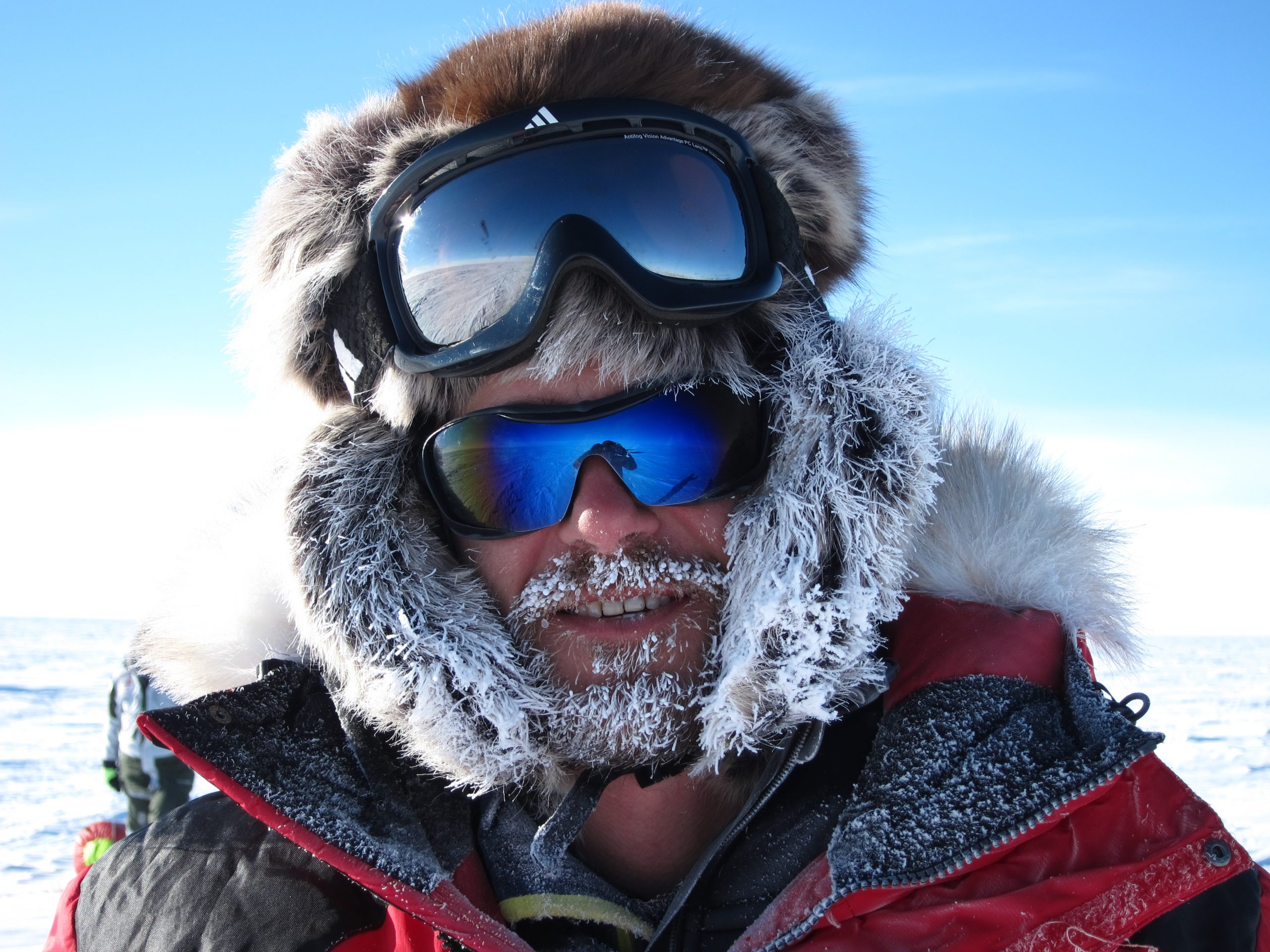
Hilo de Moreno
Technical guide, Explorer
The scientific lead for the campaign, Hil Moreno Cela, is a renowned Spanish explorer, polar guide, and mountain technician. Since 2008, he has served as a mountain and safety guide for the Spanish National Research Council (CSIC) at the Juan Carlos I Antarctic Base, a role in which he accompanies and ensures the safety of scientists working in extreme conditions. For over a decade, he has also been a key member of the “WindSled” project, utilizing this vehicle for several expeditions across Antarctica and Greenland. Beyond his extreme expeditions, he is actively involved in public outreach, delivering lectures on risk management, teamwork, and environmental awareness. He balances his scientific work with adventure tourism, leading exploratory expeditions in polar and high-mountain regions.
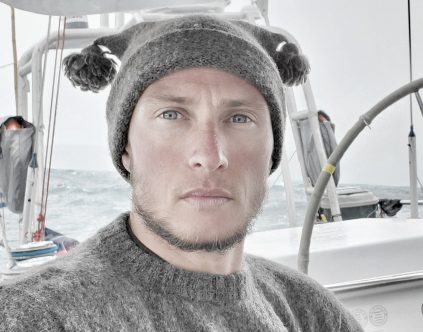
Mariusz Potocki
Scientist
A prominent Polish scientist based in the United States, he is internationally recognized for his research on global climate change. As a researcher at the University of Maine’s Climate Change Institute, he has led or participated in more than 25 highly demanding scientific expeditions. He has been a key collaborator of the renowned glaciologist Paul Mayewski, who served as the institute’s director for 25 years. His area of expertise involves the recovery and analysis of ice cores from some of the world’s most remote regions—including Antarctica, the Peruvian Andes, the Himalayas, and glaciers on Mount Everest. He uses these records to reconstruct atmospheric chemistry and assess the human impact on the environment. He is a member of the exclusive “Explorers Club 50″—a group of 50 individuals worldwide recognized for their contributions to scientific knowledge and environmental conservation. Furthermore, he is an accomplished photographer of polar and high-mountain ecosystems. His work integrates scientific rigor, exploration, and a deep commitment to raising awareness about climate issues. He will be fully dedicated to supporting the scientific work during the expedition.
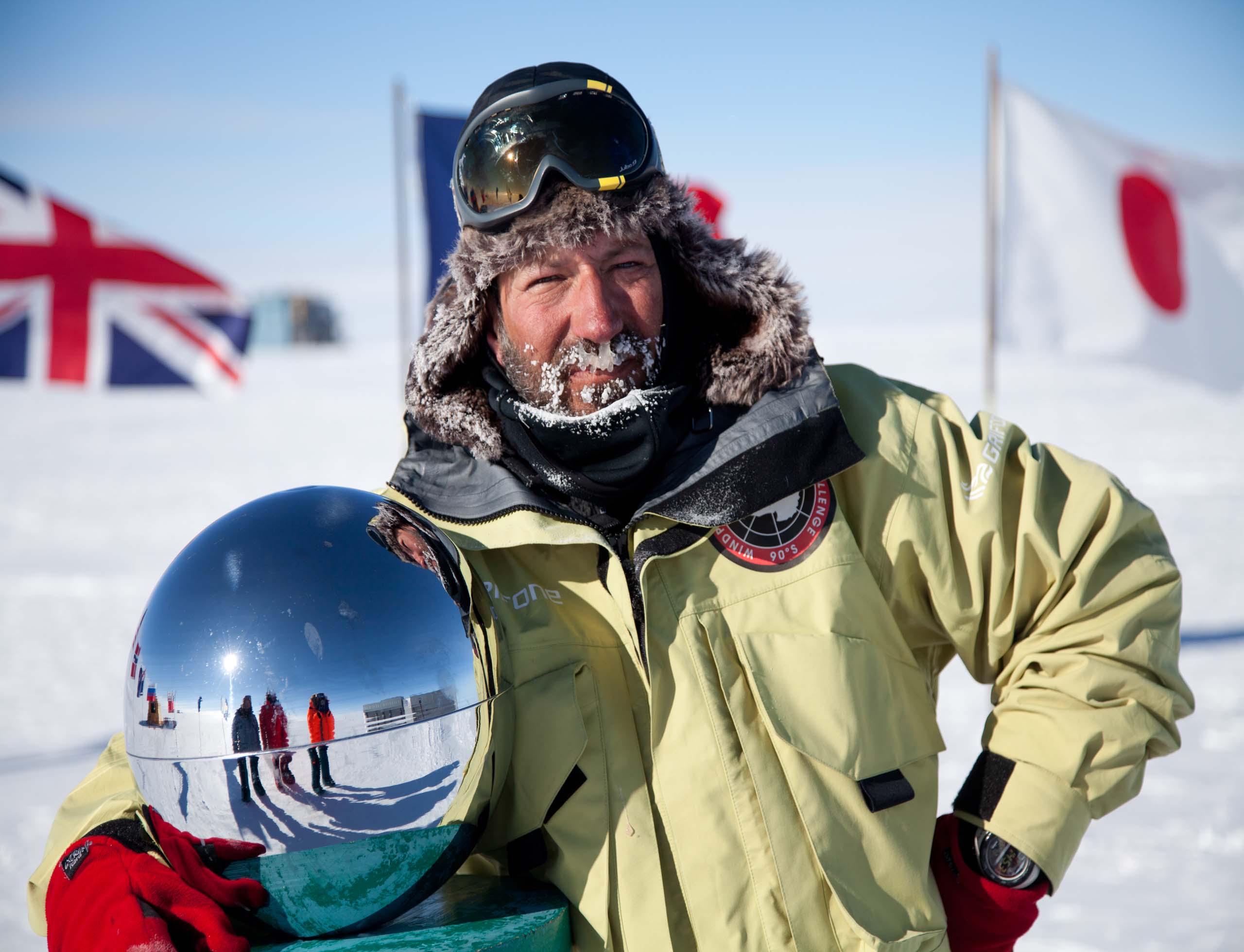
Javier Selva
Photographer and Documentarian
A renowned nature photographer, sociologist, documentarian, and expeditioner, he is a core founding member of the WindSled project. Within the team, he serves as technical director for imagery, tasked with documenting polar research for films, books, and media outlets. He previously joined Larramendi on an expedition to Antarctica with the “WindSled” in 2011–2012. An entrepreneur, he also promotes a sustainable agriculture project in Huesca. For the past five years, he has directed the “Vagamundos Festival”—a film event held in the Aragonese Pyrenees—which serves as a cultural hub where prominent filmmakers and key figures from the national polar community gather to deliver presentations and screen documentaries on the subject.
THE SCIENTIFIC PROJECTS
Among the 16 scientific projects that will be carried out during this campaign, each equipped with its own dedicated instrumentation, several aim to collect field data—essential to complement satellite observations—on the composition of the Antarctic Plateau ice. They will also investigate the presence of pollutants, including microplastics and persistent chemical compounds, as well as search for signs of microbial life in extreme conditions, in the atmosphere, deep ice and on the ice surface. Some of these experiments are of considerable interest for space exploration. In fact, the expedition will carry instruments that are already being used in missions to Mars.
Other projects will examine the effects of isolation and extreme cold, with temperatures that can fall to –40°C, on the four expedition members, assessing both their physical and psychological responses. Additional research will focus on the impacts of climate change in these remote regions, Earth’s magnetism, and the performance of Europe’s Galileo satellite navigation system. All of the scientific projects were selected through an official call issued by the Spanish Polar Committee.
In total, the expedition brings together research centres from the Spanish National Research Council (CSIC), six Spanish universities, and international institutions including NASA, the University of Maine (USA), and Italy’s Consiglio Nazionale delle Ricerche (CNR), the Italian equivalent of Spain’s CSIC.
THE WINDSLED
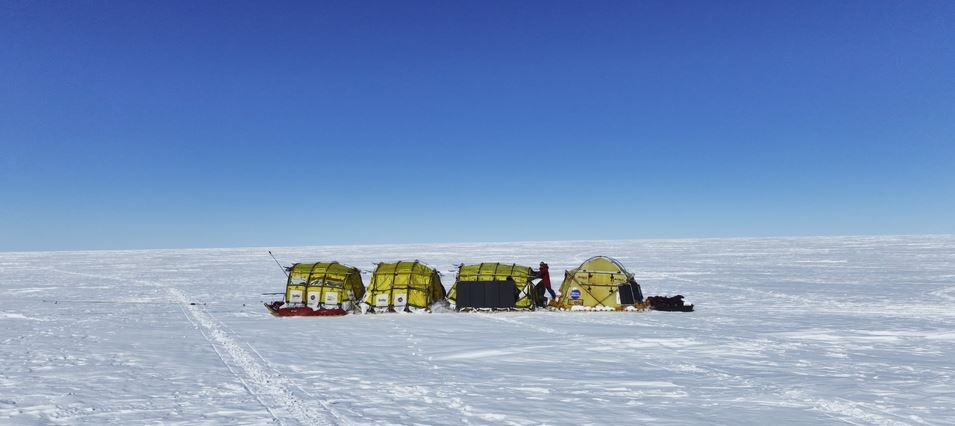
Inspired by Inuit culture, the Windsled is configured with four modules, giving it a total length of 15 metres and the capacity to carry up to 2,100 kilograms of payload, including an initial 250-kilogram scientific load distributed among the different research projects. As a new feature of this first official campaign, one module will be dedicated to scientific work and will have its own tent; another will serve as the crew module, where the traction kites that propel the vehicle are controlled; two modules will provide living quarters for the four expedition members; and the final module, without a tent, will be used to transport cargo.
The Windsled is capable of travelling with ease across Antarctic terrain marked by hard snow formations such as sastrugi, ridges sculpted by the wind. The team will carry a total of 20 traction kites, ranging in size from 150 square metres to 5 square metres, selecting each one according to the strength and direction of the Antarctic winds. Although the Windsled can reach speeds of up to 80 km/h under favourable conditions, its average cruising speed is around 25 km/h. However, the expedition’s priority is scientific research, and travel will therefore be adapted to the requirements of the different projects.
At the end of the expedition, the Windsled will remain at Concordia Station, fully dismantled, awaiting a future Second Windsled Antarctic Expedition, which is planned to follow the reverse route—from the Italian Concordia Station to the Russian Novolazarevskaya (Novo) Station, the point from which the current expedition begins.

PARTICIPATING INSTITUTIONS
The campaign brings together research centres from the Spanish National Research Council (CSIC), research institutions such as CIEMAT and INTA, a total of six Spanish universities, and international institutions, including the Climate Change Institute at the University of Maine and the Institute of Polar Sciences of the Italian National Research Council (CNR), the Italian equivalent of Spain’s CSIC.
A HISTORIC EXPEDITION
The previous government-led trans-Antarctic expedition took place over two months during the 2011–2012 Antarctic season. It was the Scientific Trans-Antarctic Expedition (2011–2012), co-led by the United States and Russia, which covered 3,400 kilometres across the continent. The expedition used three tracked vehicles towing plastic sledges, together with snowmobiles, and carried out eight major scientific projects. It consumed 170,000 litres of fuel and experienced multiple technical breakdowns during the two-month journey. Motorised expeditions of this kind typically cost between €3 million and €5 million, and only a very small number have been undertaken in the history of polar science to cover such large distances.
The Windsled operates at a much lower cost than tracked vehicles designed for Antarctica. Any mechanical problems can be repaired relatively easily in the field, and its consumption of fossil fuels is zero, dramatically reducing both the load that must be transported and the expedition’s environmental impact. For this reason, with this campaign the Windsled officially becomes part of the Spanish Polar Committee’s research infrastructure.