The countdown to departure, next Sunday, October 18, is on. The Windsled team has spent weeks preparing the cargo that will be needed for an expedition set to become a scientific milestone, as well as a geographical and, above all, a human one. There are countless details to take care of because, as Ramón Larramendi often reminds everyone, they are heading to a place where you cannot simply go out and buy something, no matter how essential it may be. Everything has to be taken along.
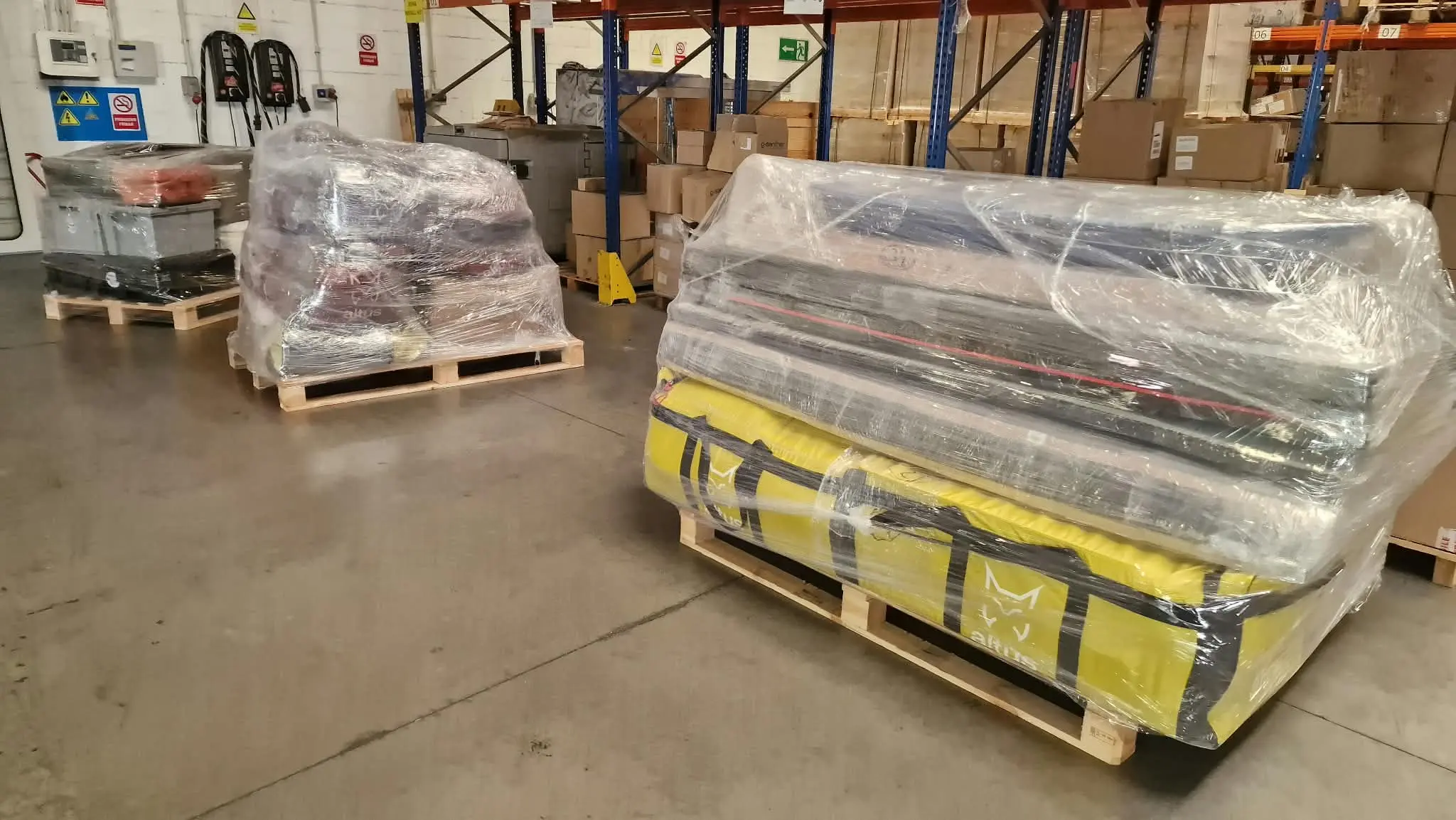
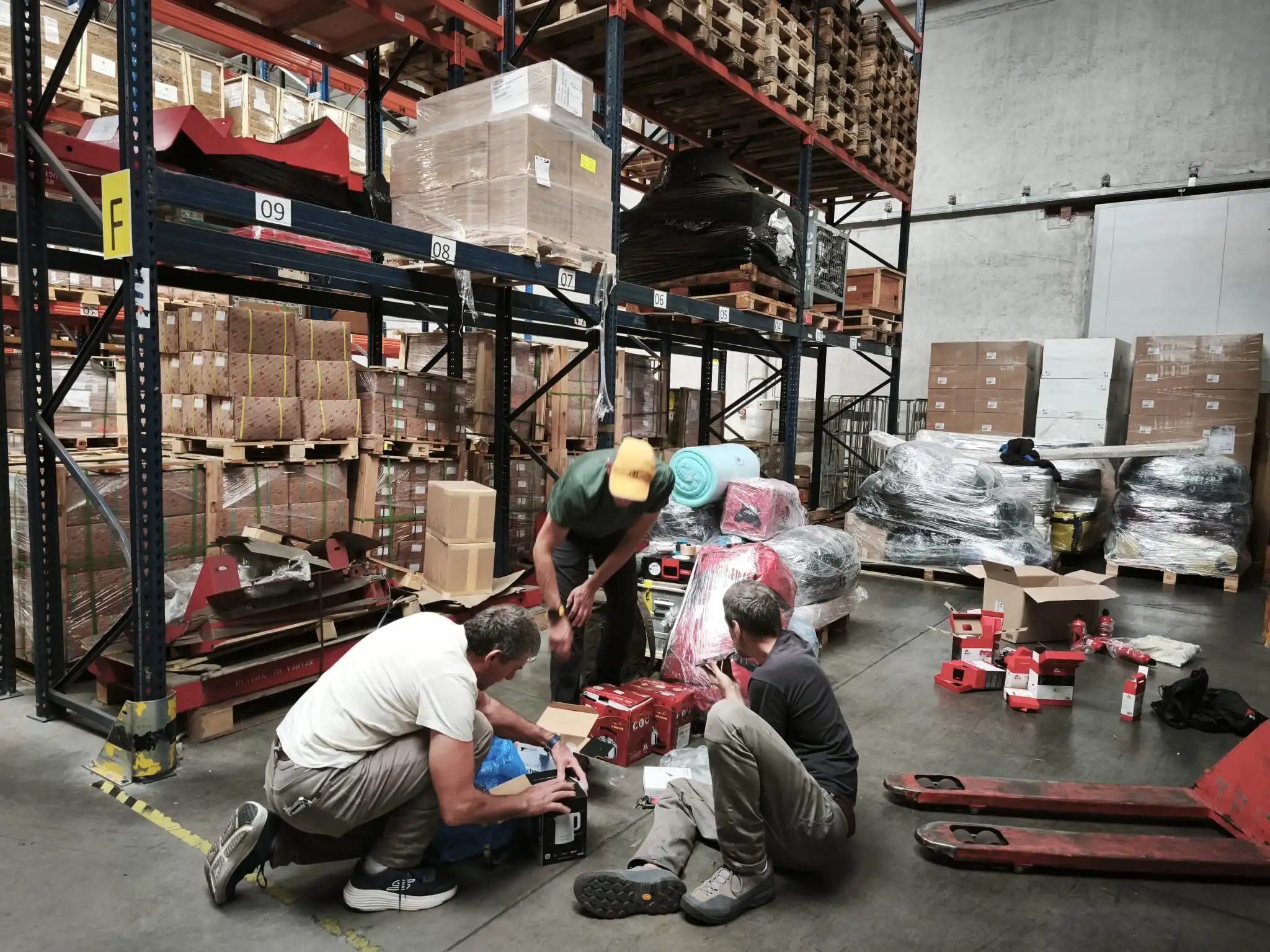
Most of the equipment required for the expedition, which is expected to last 85 days, was shipped several days ago to Cape Town, South Africa, via Istanbul. More than 1,000 kilograms of cargo were carefully packed at the Tierras Polares warehouse near Madrid during the days leading up to shipment. Every item was packed with great care to ensure that the four expedition members will be able to carry out the assigned scientific projects and, above all, successfully complete the planned 3,400-kilometre traverse.
It is worth remembering that the Windsled has been at the Russian Antarctic station of Novolazarevskaya (Novo) since February 2019, when its previous Antarctic journey came to an end. It was dismantled there and buried beneath the snow, waiting for the project team to return to the continent. As the years passed without a new expedition on the horizon, Larramendi travelled to Novo last year to check its condition, which proved to be exactly the same as when the team had left it years earlier.
Now, with this new shipment, the team is transporting some of the Windsled’s key components to avoid any unforeseen setbacks, including several crossbeams, which form part of this means of transport inspired by Inuit tradition. They have also already shipped most of the food they will consume during the three-month adventure, almost all of it freeze-dried and dehydrated to ensure it remains in good condition. Much of the clothing that will protect them from the freezing temperatures awaiting them has also been sent ahead.
Particular care has been taken with the many scientific instruments provided by the researchers so that the expedition members can carry out their projects in the interior of the continent. They received extensive training in the use of this equipment just a few weeks ago. Altogether, this scientific equipment alone weighs 250 kilograms and has had to be adapted to withstand both the extremely low temperatures they will face and the sudden impacts and movements the sled may experience.
“When we leave on Sunday, we’ll still be carrying some equipment with us, but the heaviest cargo will already be waiting for us on the other side of Africa,” says Larramendi.
Among the items left until the last minute are the essential medical kit and the expedition members’ personal belongings.
“Over these final days we’ll probably end up buying a few more things that could be useful, although we’ve planned almost everything because we’ve carried out many expeditions with the Windsled. Even so, we’ve never done one with so much cargo or lasting this long,” the explorer admits.
In any case, during the long flight to their African destination—the first stop before heading to Antarctica—the team always plans to buy those last few products that are more perishable during long international journeys, such as chocolate, which they admit becomes a real delicacy whenever their calorie intake starts to fall short.
Everything indicates that Cape Town will welcome them on Monday, October 19, with spring weather—a good way to begin the expedition. From there, they will board a logistics flight to Novo, the Russian Antarctic station.