
2017 ICE RIVER EXPEDITION – Greenland scientific GIS Traverse
The 2017 Ice River Greenland Expedition marked the first full-configuration scientific deployment of the WindSled, with a single and ambitious objective: to conduct international research in the interior of Greenland over the course of 39 days.
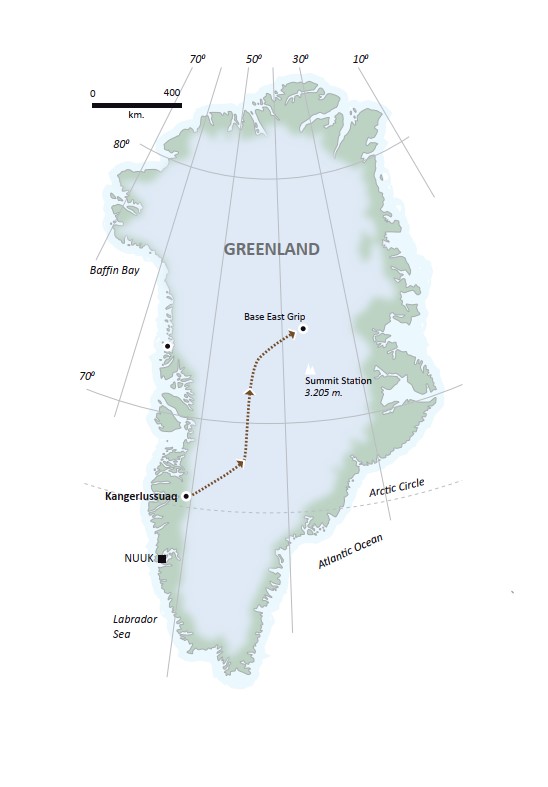
The 2017 Ice River Greenland Expedition marked the first full-scale deployment of the WindSled as an international zero-emission mobile scientific platform. Over six weeks, the expedition crossed the Greenland Ice Sheet with a single and clearly defined objective: to conduct large-scale international scientific research in one of the most remote and least explored regions of the planet.
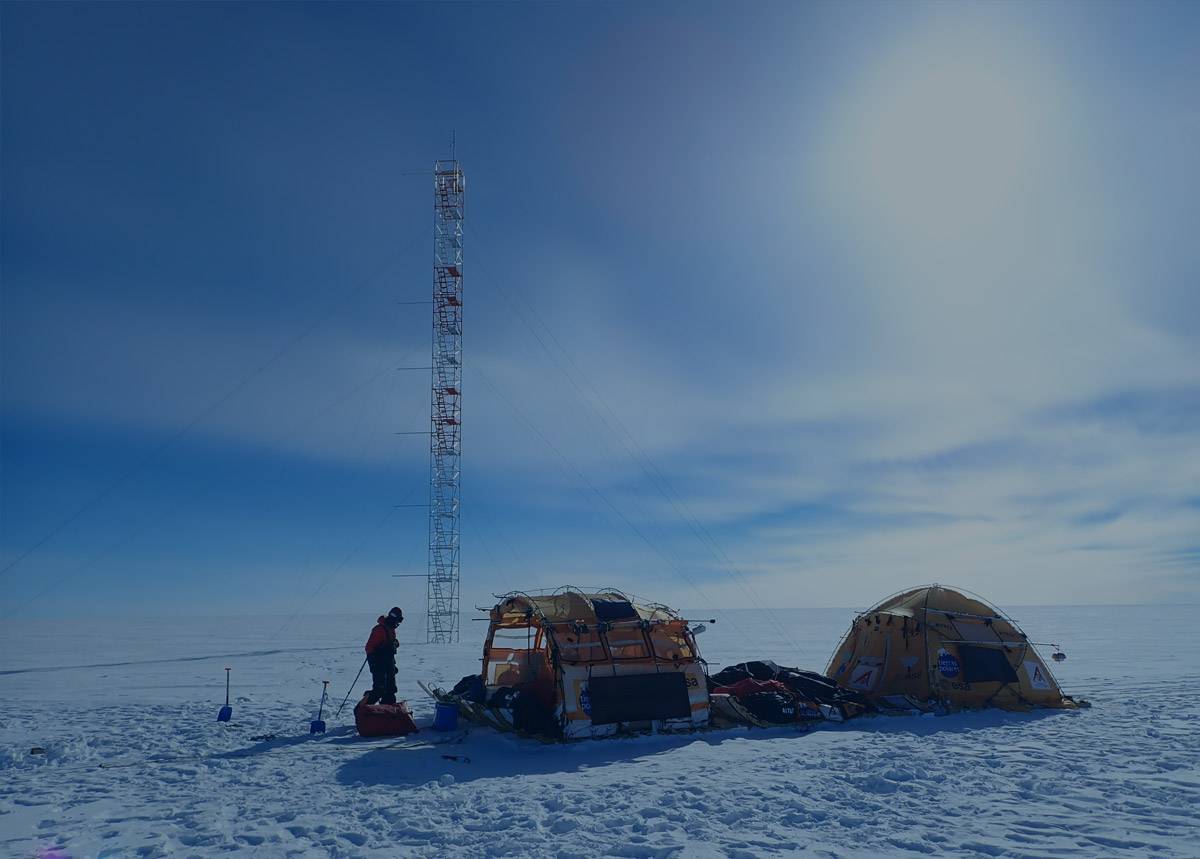
The five-member team was led by Ramón Larramendi, explorer and creator of the WindSled. The crew included the renowned researcher Ross Edwards (Curtin University / University of Wisconsin), mountain guide Hilo Moreno, audiovisual producer Nacho García, and captain and polar logistics expert Jens Jacob Simonsen. Together, they operated the WindSled in its complete 12-meter, four-module configuration, transporting nearly 2,000 kg of scientific equipment using only wind, solar, and kinetic energy.
The expedition traveled approximately 1,200 km from Kangerlussuaq in southwest Greenland to the international EastGRIP scientific base in the northeast, positioning itself over Greenland’s largest and fastest-moving ice stream — a massive “ice river” flowing toward the ocean at nearly 100 meters per year. This dynamic system plays a crucial role in global sea-level rise and remains one of the least understood components of the Arctic cryosphere.
Scientific work was at the core of the mission. The WindSled supported six research projects, collecting nearly 200 kg of snow and ice samples and conducting 17 deep drillings in coordination with the EastGRIP research program. At the same time, EastGRIP researchers were carrying out a 2,550-meter-deep ice core drilling to investigate ice dynamics and climate records spanning the past 8,500 years, placing the WindSled expedition within one of the most significant international polar research efforts of the decade.
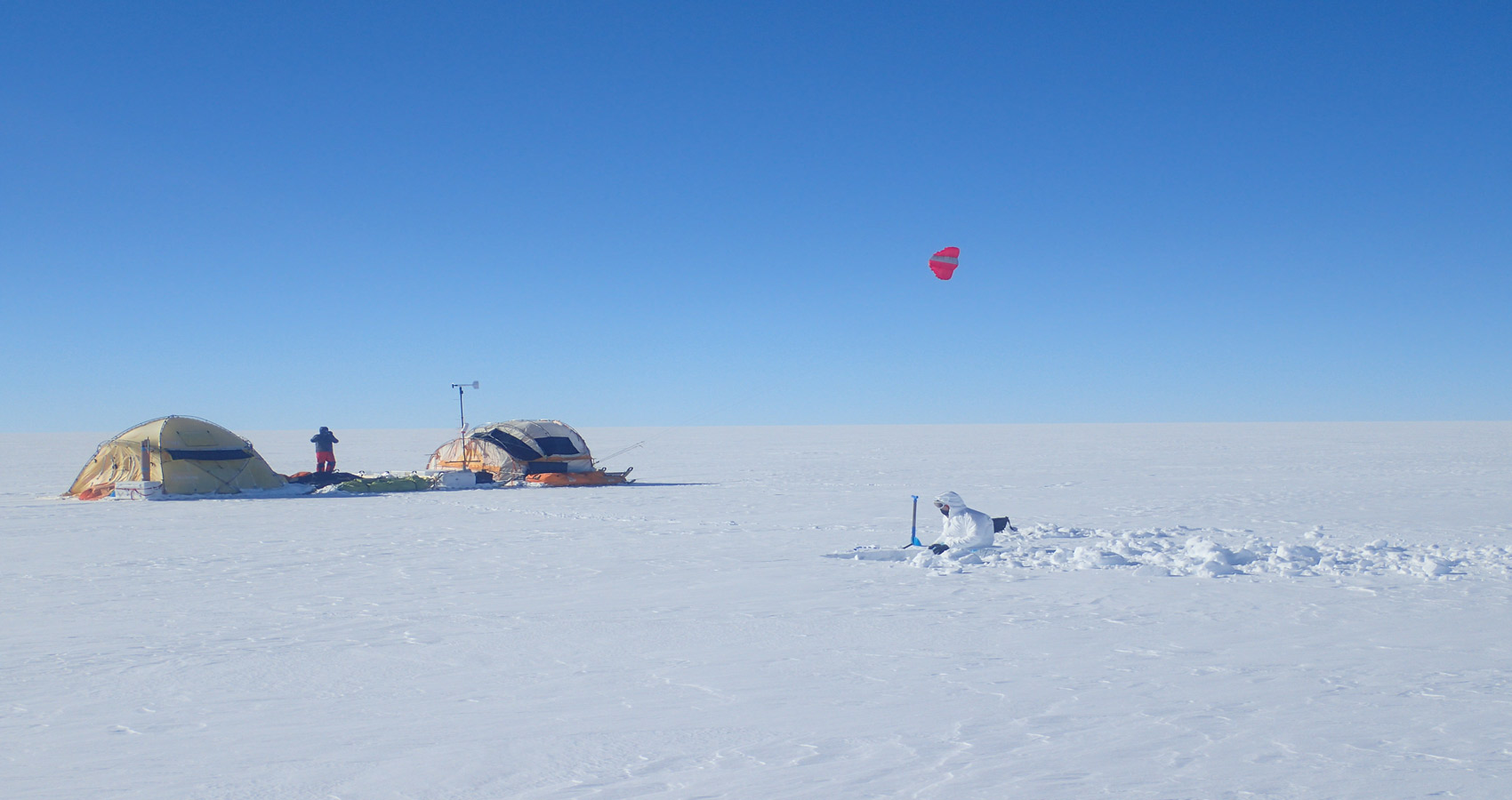
Among the key scientific collaborations were the international projects Dark Snow, led by Jason Box, focused on ice surface pollution and its impact on melting, and Ice2Ice, led by Paul Vallelonga at the University of Copenhagen, studying Arctic ice melt processes. In addition, Spanish glaciologists Francisco Navarro and Javier Lapazaran adapted a solar-powered ground-penetrating radar capable of analyzing snow layers up to 25 meters deep.
The expedition also carried an atmospheric microbiology project designed by Antonio Quesada (Autonomous University of Madrid), collecting airborne microorganisms across the ice sheet using a system powered by the sled’s own movement. Complementary studies monitored expedition health parameters and gathered meteorological data in collaboration with the Spanish Meteorological Agency (AEMET).
The Ice River 2017 expedition demonstrated, for the first time at this scale, that the WindSled could function as a fully operational international scientific platform, capable of long-distance autonomous travel without emissions. It positioned the vehicle not only as an exploration tool, but as a strategic instrument for documenting the accelerating impacts of climate change in the Arctic.
Team

Ramón Larramendi
Project Leader
Spain, Greenland
Ramon H. Larramendi is undoubtedly one of the great polar explorers of the world. At present, he resides between Greenland and Spain. He was born in Madrid in 1965. Since a very young age he was attracted by adventure in polar territories, where he went for the first time at barely 20 years of age. He was the protagonist of the Mapfre Circumpolar Expedition, which covered 14,000 km (8699 mi) in three years. In 1999-2000 he began the WindSled project, with which he has already traveled more than 20,000 km (12427 mi) in the Arctic and Antarctica. Larramendi is founder and director of the travel agency Tierras Polares. He is the organizer, promoter and leader of the Ice River 2017 Expedition.
Ross Edwards
Biochemist
Australia- United States
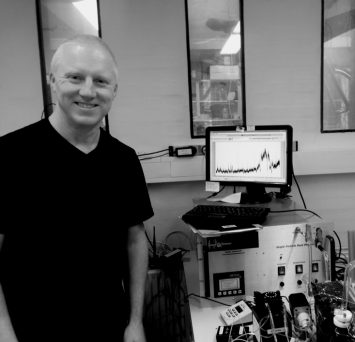
Australian-American biochemist specializing in polar science. Ross is a visiting professor at the University of Wisconsin-Madison (USA) since 2016. Previously, he worked as an Associate Professor of Physics and Astronomy at Curtin University, Perth, Australia, and in previous years was at Reno and Ohio University. His research papers focus on black carbon and traces of metals found in snow and ice. He has worked in Antarctica, the Arctic, China and the United States. An important focus of Ross’s research has been the development of new analytical methods for detecting chemical species and nanoparticles at low concentrations and high temporal resolution. He has several patents to his credit. He is interested in feedback between the Earth’s climate and the biosphere. He has more than 50 publications in the best scientific journals in the world (Nature, Science, PNAS, etc.) and 23 years of experience in performing jobs in extreme conditions. He has also worked for the World Health Organization (WHO) on drinking water analysis in third countries. He has invented unique systems for the analysis of ice cuts that are sampled in the Arctic and Antarctica. Recognized by his peers as an innovator.
Ross Edwards is a contributor of the ‘Dark Snow’ project´s team led by glaciologist Jason Box, who studies the impact of forest fires on arctic melting, with the project “Nanoparticles in the atmosphere of the past: feedback on climate change” from Curtis University.

Jens Jacob Simonsen
Captain, Explorer, Polar Logistics
Greenland
Greenlandic Expeditionary, resident in Qaqortoq, South Greenland, and a great connoisseur of the territory of his country. He worked as a Missionary and then studied Dual Maritime Officer at the Svendborg International Maritime Academy. He is an excellent pilot and works with Ramón Larramendi in his activities with the Tierras Polares agency. He has known the WindSled project for years, although the Ice River Expedition will be the first one in which he will participate.
Hilo Moreno
Mountain Guide
Spain
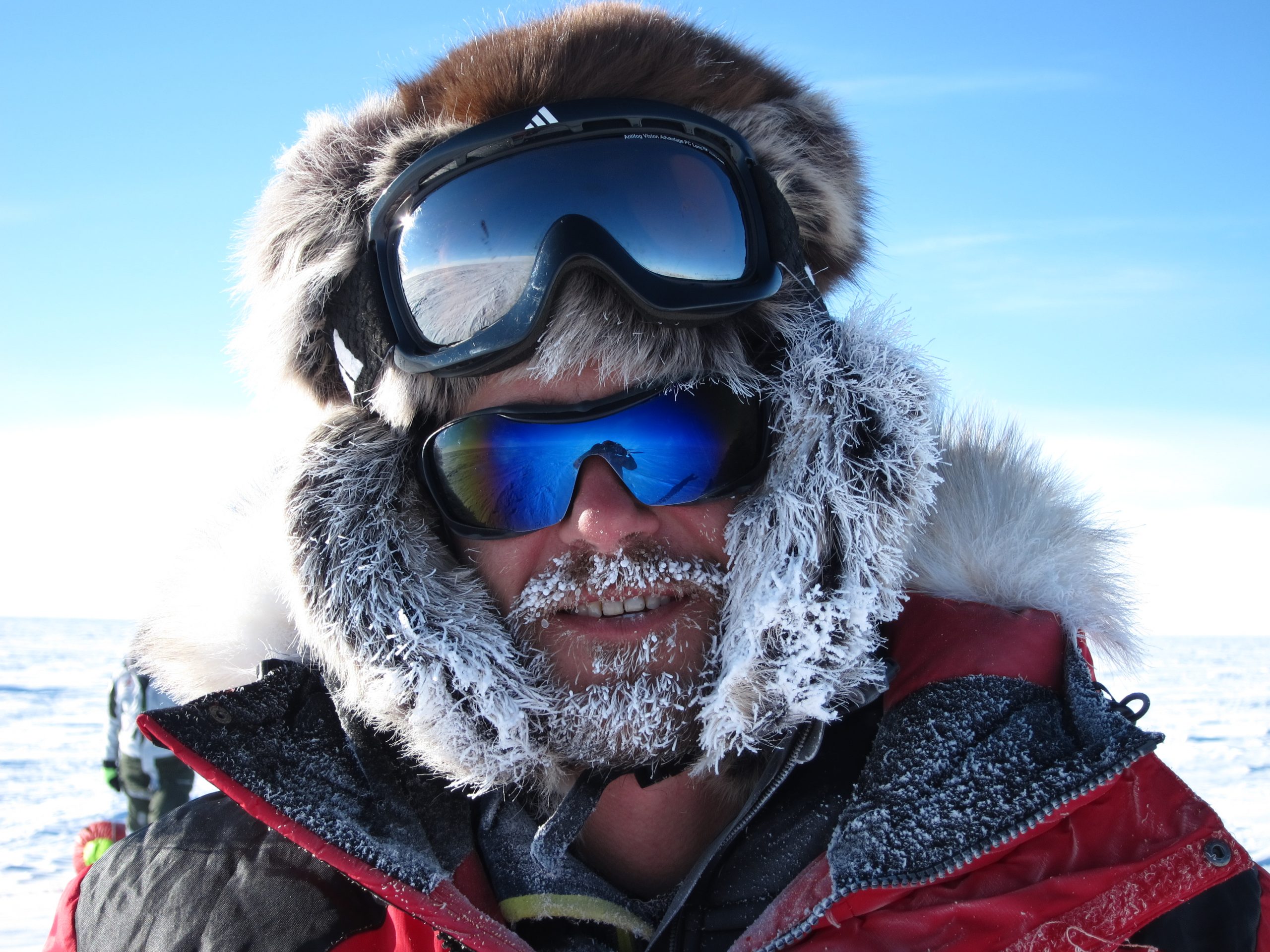
Hilo Moreno is a guide, mountaineer and adventurer by profession. Since 2008 he works as a mountain guide in the Spanish Antarctic Base Juan Carlos I, located on Livingston Island during the scientific campaigns of each year. He has a personal web page through which he informs of all his mountaineering trips and expeditions, climbing, skis or kayak. He has traveled to inaccessible places in Alaska, Greenland, Norway, Patagonia, Canada, Lapland, Finland or the Svalbard Islands, among many other destinations. During the last Antarctic campaign he developed different activities related to the WindSled among researchers. He is a member of the WindSled team and was on the former 2016 Ice Summit Expedition. He participates as crew member and logistician concerning the scientific projects to be developed during the Ice River 2017 Expedition, together with Ross Edwards.
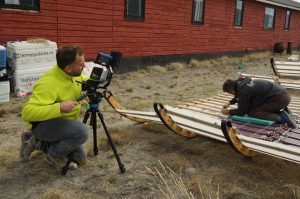
Nacho Garcia
Producer & Director
Spain
Nacho García is a television producer and director specialized in shooting in extreme situations. Born in Madrid in 1972 (43 years), he has always been passionate about exploring the most remote places in the world, mainly in snowy and icy landscapes. Skier and mountaineer since a young age, he is also an underwater photography professional, private jet pilot, certified drone pilot and instructor of Alpine Ski Racing. A professor of Extreme Cinematography, subject in which he has participated in workshops and courses in several countries. Participated in the Greenland Ice Summit 2016 Expedition on the WindSled.
Diary

Gallery
Press
Below you could find some of the most notable news about the 2017 ICE RIVER Expedition




Check out the pdf and find more relevant news about this expedition !
Scientific Projects
Snow Core Sampling, Dark Snow and ICE2ICE Project
Lead scientist(s): Dr. Jason Box, Dr. Ross Edwards, Dr. Paul Vallelonga, Dr. Hans C. Steen-Larsen
Institution(s): Geological Survey of Denmark & Greenland (GEUS), Curtin University (Australia), University of Copenhagen (Denmark), Bjerknes Centre for Climate Research (Norway)
During the expedition, the team drilled 17 snow cores up to 15 m deep across 1,200 km of central Greenland. This effort supported two major climate studies: the Dark Snow project, investigating soot contamination and its impact on ice melt, and the ICE2ICE project, examining how Arctic ice loss may trigger abrupt climate changes. The cores, collected at regular intervals, yielded approximately 200 kg of snow samples for analysis of accumulation rates, impurities like wildfire soot, and other properties. These data help fill a critical gap in understanding Greenland’s interior snowfall and how it influences ice sheet mass balance and sea-level rise. The WindSled’s zero-emission traverse made this pioneering sampling possible across a vast and previously inaccessible region.
Ice-Penetrating Radar Survey
Lead scientist(s): Dr. Francisco Navarro, Dr. Javier Lapazarán
Institution(s): Polytechnic University of Madrid (UPM), Spain
The WindSled carried a custom-built ground-penetrating radar developed by a glaciology team at UPM. Powered by the sled’s solar-charged 12 V system, this 750 MHz radar scanned the subsurface down to approximately 25 m along the 1,200 km route. It was the first time such a long-distance radar survey had been conducted across the Greenland Ice Sheet, mapping snow and ice layers beneath the surface. The radar measurements complemented the snow core samples, improving estimates of snow accumulation and ice mass balance changes under climate warming.
MicroAirPolar Atmospheric Microbe Collection
Lead scientist(s): Dr. Antonio Quesada, Dr. Ana Justel
Institution(s): Autonomous University of Madrid (UAM), Spain
A lightweight aerosol sampler called MicroAirPolar ran continuously on board to collect airborne microorganisms and particles along the traverse. Developed by a team at UAM, the device used the sled’s motion to generate power, enabling 24-hour operation with periodic filter changes for capturing microbes and dust. The goal was to understand how microbes disperse and colonize newly exposed polar surfaces as climate change melts long-frozen ice. Samples from the expedition will help reveal the global movement of microscopic life and its potential impacts on ecosystems and human health.
Real-Time Meteorological Forecasting Support
Lead scientist(s): Javier Sanz, Sergi González, Francisco Vasallo
Institution(s): Spanish Meteorological Agency (AEMET)
A dedicated team of meteorologists from AEMET provided daily weather forecasts to guide the expedition. Using numerical models customized for Greenland, the forecasters delivered route-specific predictions of wind, precipitation, temperature, and visibility several days in advance. This real-time support was critical for planning safe progress and optimizing the WindSled’s movements amid dynamic weather conditions. The meteorological data recorded by the explorers will also contribute to improved forecast models for this little-studied polar region.
Human Physiology Monitoring in Extreme Conditions
Lead scientist(s): Dr. Daniel Pérez del Castillo
Institution(s): Spanish Antarctic Expeditions Medical Unit, 061 Emergency Service (Aragón, Spain)
The WindSled crew’s vital signs were monitored to study human physiological responses to extreme polar conditions. Expedition physician Daniel Pérez del Castillo tracked each member’s heart rate, core body temperature, skin temperature between clothing layers, blood sugar, and blood pressure during the traverse. By correlating these metrics with environmental factors like temperature, humidity, and wind speed, the study aimed to understand the body’s real-time adaptations and determine safe limits, such as the lowest comfort temperature inside clothing layers to avoid hypothermia. This research helps improve safety and performance protocols for expeditions in extreme cold.
Principal Investigators 2017 - ICE RIVER EXPEDITION
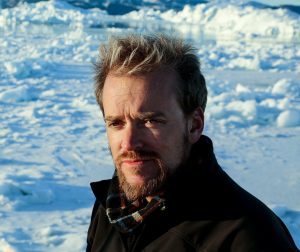
JASON BOX (University of Copenhagen- Danish Geological Survey)
American scientist Jason Eric Box is today one of the most recognized scientists worldwide in research on climate change. Professor of Glaciology at the Geological Survey of Denmark and Greenland (GEUS), University of Copenhagen, he has over 60 publications related to the interactions between climate and ice. For five years (2008-2012) the lead author of the section dedicated to Greenland in the NOAA annual report “State of the Climate” and was also one of the authors of the fourth report of the Intergovernmental Panel on Climate Change (IPCC), published in 2007, collaborating with many other scientists in the Nobel Peace Prize won by the Panel that same year. Among his many projects is the Dark Snow Project, concerning the contamination of the snow in the Arctic and its impact on the melting of ice. Since 2016, he is scientific advisory to the WindSled, an eco-vehicle developed by Ramón Larramendi, and which he has incorporated in his investigations in Greenland. Box will be responsible for the subsequent analysis of data and samples collected by the WindSled.
ROSS EDWARDS (Curtis University – University of Madison)
Australian-American biochemist specializing in polar science. Ross is a visiting professor at the University of Wisconsin-Madison (USA) since 2016. Previously, he worked as an Associate Professor of Physics and Astronomy at Curtis University, Perth, Australia, and in previous years was at Reno and Ohio University. His research papers focus on black carbon and traces of metals found in snow and ice. He has worked in Antarctica, the Arctic, China and the United States. An important focus of Ross’s research has been the development of new analytical methods for detecting chemical species and nanoparticles at low concentrations and high temporal resolution. He has several patents to his credit. He is interested in feedback between the Earth’s climate and the biosphere being the author of more than 50 publications in the best scientific journals in the world (Nature, Science, PNAS, etc.). He has 23 years of experience in performing jobs in extreme conditions. He has also worked for the World Health Organization (WHO) on drinking water analysis in third countries. Inventor of unique systems for the analysis of ice cuts that are sampled in the Arctic and Antarctica. Recognized by his peers as an innovator.
Ross Edwards is a contributor to the ‘Dark Snow’ project team directed by glaciologist Jason Box, who studies the impact of forest fires on arctic melting, within the project “Nanoparticles in the atmosphere of the past: feedback on climate change,” Curtis University.
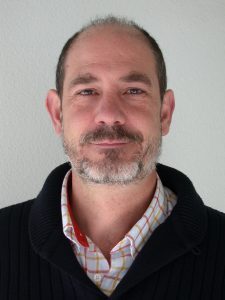
ANTONIO QUESADA (Universidad Autónoma of Madrid)
Antonio Quesada, from Madrid, is a professor at the Universidad Autónoma of Madrid and has been involved in different research topics related mainly to non-marine aquatic ecosystems. He has collaborated in international research initiatives, such as RiSCC or EBA (SCAR). He has led several research projects in polar regions since 2001 and has participated in more than a dozen polar expeditions (both Arctic and Antarctic) to a variety of polar locations. He is currently the principal investigator of an international project on microbial biocomplexity in the polar regions. Quesada has published more than 100 scientific articles in international journals (Science, Ecological Monographs, Nature Climate Change or Limnology and Oceanography). He has participated and coordinated numerous research / management projects with public administrations. He is the manager of the State Polar Research Program.
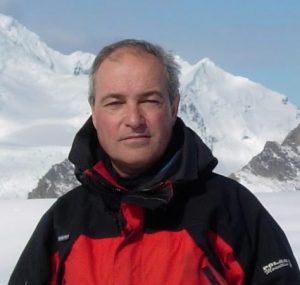
FRANCISCO NAVARRO (Universidad Politécnica of Madrid)
Professor at the Polytechnic University of Madrid, Navarro is the principal investigator of Glaciology Projects in Antarctica (a discipline that studies the response of glaciers to climatic changes). He has been responsible for the management of the Base Juan Carlos I. Navarro has been studying glaciers since the mid-1990s, although his first contact with Antarctica dates back to 1983-84, when he spent a full year at the American polar station ‘Amundsen -Scott ‘, in the South Pole, conducting Geophysics studies. He was, therefore, one of the Spanish pioneers in that continent. Researcher on glaciers in the Arctic and considered one of the most important international polar scientists, with dozens of publications in the most relevant magazines. At the present time he directs the Group of Numerical Simulation in Sciences and Engineering at the UPM.
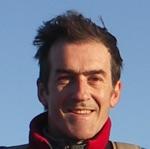
JAVIER LAPAZARAN (Universidad Politécnica of Madrid)
He is a telecommunications engineer and professor at the Polytechnic University of Madrid. He is dedicated to radio glaciology as a member of a research group that studies the dynamics and state of glaciers, and how they respond to climate changes. He has participated in several campaigns in Antarctica, in the project in which Francisco Navarro is the principal investigator.


© 2026 WINDSLED|| COOKIE POLICY || PRIVACY POLICY
© 2026 WINDSLED|| COOKIE POLICY || PRIVACY POLICY